
The Science-Backed Manuka Honey Benefits You Need to Know
Discover the powerful, science-backed benefits of Manuka honey—from wound healing and gut health to immune support and anti-inflammatory action. Learn how to use it effectively and choose the highest quality honey for optimal wellness.
FUNCTIONAL HEALTH
1/18/20264 min read
Introduction
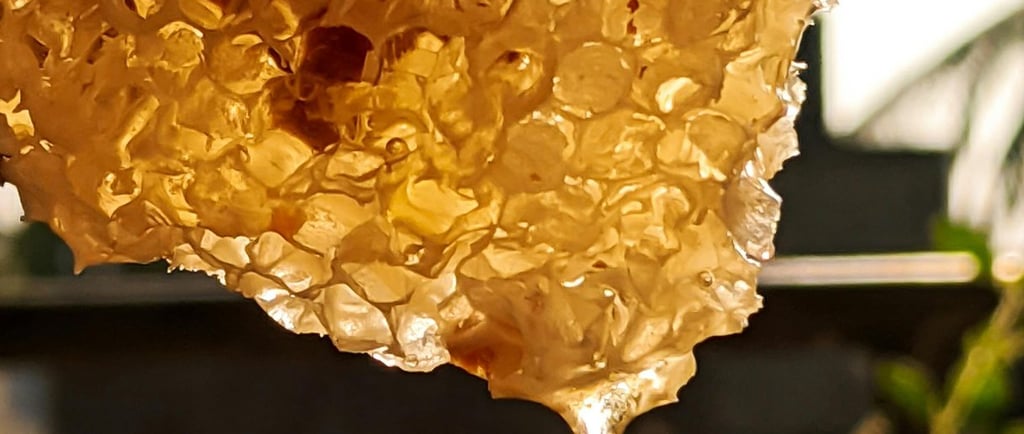
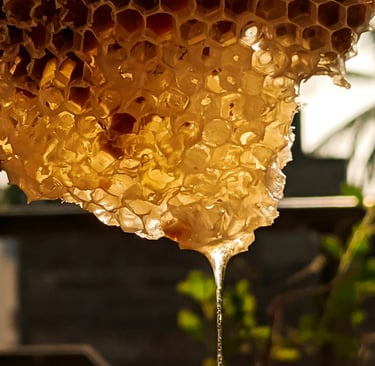
For centuries, honey has been used as a natural remedy for everything from sore throats to skin wounds. But in recent decades, one specific type of honey has emerged as a standout in both traditional and modern medicine: Manuka honey. Sourced from the nectar of the Manuka bush (Leptospermum scoparium) in New Zealand, Manuka honey has gained global recognition for its potent healing properties, many of which are now supported by science.
Unlike regular honey, Manuka contains a unique set of bioactive compounds, most notably methylglyoxal (MGO), which gives it exceptional antibacterial strength. This special honey has been incorporated into wound care treatments, immune-support supplements, and gut-healing protocols. Whether you're curious about its health potential or looking to include it in your wellness routine, understanding the real, science-backed benefits of Manuka honey can help you use it more effectively.
What Makes Manuka Honey Unique
The defining feature of Manuka honey is its potent antimicrobial activity, which goes beyond the natural hydrogen peroxide found in conventional honey. This strength is largely attributed to MGO, a compound formed from dihydroxyacetone found in Manuka flower nectar. The higher the MGO content, the more powerful the honey’s antibacterial effects.
To help consumers gauge quality and potency, Manuka honey is graded with a Unique Manuka Factor (UMF) rating. This system measures the concentration of MGO, leptosperin, and other beneficial compounds. Products labeled with a UMF of 10+ or higher are considered therapeutic, and anything above UMF 15+ is typically reserved for medical or high-potency purposes.
Authentic Manuka honey is always sourced from New Zealand and often comes with certification from the UMF Honey Association, which ensures purity and potency.
Antibacterial and Wound-Healing Properties
One of the most well-documented uses of Manuka honey is in wound healing. The United States Food and Drug Administration (FDA) has approved Manuka honey-infused wound dressings for clinical use, thanks to its ability to combat infection and accelerate tissue regeneration.
Scientific studies have shown that Manuka honey inhibits the growth of several pathogens, including antibiotic-resistant strains such as MRSA (Methicillin-resistant Staphylococcus aureus). When applied to wounds, ulcers, or burns, it not only reduces bacterial load but also helps maintain a moist environment that supports faster healing and reduces scarring.
Its effectiveness isn’t limited to external wounds. Manuka honey has also shown promise in improving skin conditions like acne, eczema, and dermatitis due to its anti-inflammatory and antimicrobial actions. Applied topically, it can soothe inflamed skin while promoting healthy tissue recovery.
Digestive Support and Gut Health
Beyond skin-deep benefits, Manuka honey offers powerful support for digestive health. Research suggests that its antibacterial properties may help balance gut bacteria and reduce harmful strains such as Helicobacter pylori, a bacterium linked to stomach ulcers and gastritis.
It also appears to have prebiotic effects, encouraging the growth of beneficial gut bacteria. While more human research is needed, early findings and anecdotal evidence point to its role in easing symptoms of acid reflux, bloating, and even irritable bowel syndrome (IBS). Some functional health practitioners recommend taking a small spoonful of Manuka honey on an empty stomach to help soothe the digestive tract and protect against inflammation.
Importantly, Manuka honey may also help repair damage to the gut lining, making it a popular addition to protocols aimed at healing leaky gut syndrome and other gastrointestinal issues.
Immune System Support
Thanks to its rich array of bioactive compounds, Manuka honey may enhance immune function. Its antioxidant and antimicrobial actions help neutralize pathogens and reduce systemic inflammation—both of which can strengthen the body’s defense mechanisms.
In traditional wellness routines, Manuka honey is often paired with lemon, ginger, or turmeric to create potent immune-boosting tonics. These combinations can be especially helpful during cold and flu season, offering soothing relief for sore throats while potentially curbing infections before they take hold.
Though Manuka honey isn't a cure-all, its properties can help the immune system stay balanced, especially when used as a preventive measure alongside a healthy lifestyle.
Anti-Inflammatory and Antioxidant Effects
Inflammation and oxidative stress are two of the biggest drivers behind chronic diseases and aging. Manuka honey has been found to contain various phenolic compounds and flavonoids, which act as antioxidants in the body. These help neutralize free radicals, reducing damage to cells and tissues.
Regular consumption of Manuka honey, even in small amounts, may contribute to lower levels of systemic inflammation. This is particularly relevant for people with inflammatory conditions such as arthritis, autoimmune disorders, or chronic fatigue. The honey’s calming effect on both the digestive and immune systems further supports its anti-inflammatory profile.
Whether used for recovery from intense physical activity or as part of a broader chronic illness management plan, Manuka honey offers a gentle, natural way to support healing processes throughout the body.
How to Use Manuka Honey
Manuka honey can be used both orally and topically, depending on the intended benefit. For general health support, many people take one to two teaspoons daily, either directly or mixed into warm water. It’s best to avoid adding Manuka honey to hot tea or cooking, as high temperatures can degrade its enzymes and reduce its therapeutic value.
Topically, Manuka honey can be applied to wounds, blemishes, or irritated skin. Medical-grade Manuka products are available in the form of ointments and dressings, especially useful for serious wounds or infections.
You can also integrate it into homemade remedies—combining it with apple cider vinegar, lemon juice, or herbal teas for digestive or immune support.
Safety and Quality Considerations
While Manuka honey is safe for most adults, there are a few precautions to consider. Infants under one year should never be given honey of any kind due to the risk of botulism. Individuals with diabetes should also be cautious, as honey still contains sugars that may impact blood glucose levels.
Allergic reactions are rare but possible, particularly for people sensitive to bee products. Start with a small amount if trying it for the first time.
To ensure you’re getting a genuine and effective product, always choose Manuka honey that is UMF-certified. This certification guarantees that the honey meets strict quality standards and contains the bioactive compounds necessary for health benefits. Products labeled only as “active” or “bio-active” without a UMF rating may not be authentic or effective.
Final Thoughts
Manuka honey stands out as a truly unique natural remedy—one that bridges the gap between ancient healing practices and modern medical science. Its antibacterial, anti-inflammatory, and antioxidant properties have been validated in both clinical and laboratory settings, making it a powerful ally for immune support, digestive health, skin care, and overall wellness.
Whether you’re recovering from illness, managing chronic conditions, or simply aiming to enhance your daily health routine, incorporating high-quality Manuka honey may offer meaningful benefits. As always, use it wisely, choose products that meet certification standards, and consult with a healthcare provider if you have underlying health conditions.
Connect with us
Get in touch with us for questions or collaboration inquiries.
Contact
Editorial & general inquiries:
info@nodrae.com
NODRAE
An independent wellness publication exploring longevity, nutrition, and lifestyle factors that support long-term health.
Our content is research-informed and created for informational purposes only.
© 2026 nodrae.com. All rights reserved.