Can Vitamin C Help Iron Absorption? How to Maximize Your Iron Levels and Fight Anemia Naturally
Learn how vitamin C can significantly boost iron absorption and help fight fatigue, anemia, and low energy - naturally. Discover the best food combinations, what to avoid, and how to optimize your nutrient intake for better health.
NUTRITION
1/20/20264 min read
Introduction
If you’ve ever felt constantly tired, struggled with poor concentration, or had cold hands and feet despite being indoors, you may be dealing with more than just a lack of sleep. These are all common signs of low iron, a condition that can gradually wear down your energy, immune health, and overall vitality. For women especially, iron deficiency is surprisingly common, and it often goes undiagnosed.
The good news is that you can take simple, natural steps to improve your iron levels - starting with your plate. One of the most powerful (and overlooked) allies in this effort is vitamin C. Known for supporting immunity, vitamin C also plays a key role in helping your body absorb iron more effectively. This simple nutrient pairing can make a big difference, especially if you’re trying to correct or prevent iron deficiency also know as anemia.
The Hidden Link Between Iron and Energy
Iron is an essential mineral that helps carry oxygen through the blood and supports cell metabolism. Without enough iron, your body can’t produce enough healthy red blood cells to deliver oxygen efficiently. That’s why iron deficiency often leads to symptoms like fatigue, weakness, pale skin, and frequent colds. Over time, if not addressed, it can progress to anemia - a condition where your red blood cell count is too low to meet your body’s needs.
Anemia isn’t just about feeling tired. It can affect brain function, reproductive health, and cardiovascular performance. Fortunately, in many cases, it can be managed or even reversed with the right dietary approach.
How Vitamin C Boosts Iron Absorption
While your diet might include iron-rich foods, your body doesn’t automatically absorb all of it. The form of iron and what you eat alongside it can dramatically influence how much your body actually takes in.
There are two main types of dietary iron: heme and non-heme. Heme iron comes from animal sources like red meat and is easily absorbed by the body. Non-heme iron, found in plant foods like beans, spinach, and lentils, is not as easily absorbed and is more affected by other foods in your diet. This is where vitamin C comes in.
Vitamin C helps by converting non-heme iron into a form that is easier for your body to absorb. It essentially unlocks the iron, making it more available to your cells. This makes vitamin C especially important for people who rely on plant-based sources of iron, such as vegetarians, vegans, and those cutting back on red meat.
Research has consistently shown that eating vitamin C-rich foods alongside non-heme iron sources can significantly increase iron absorption. Some studies suggest that vitamin C can increase non-heme iron uptake by up to 67%.
The Best Vitamin C Foods to Pair With Iron
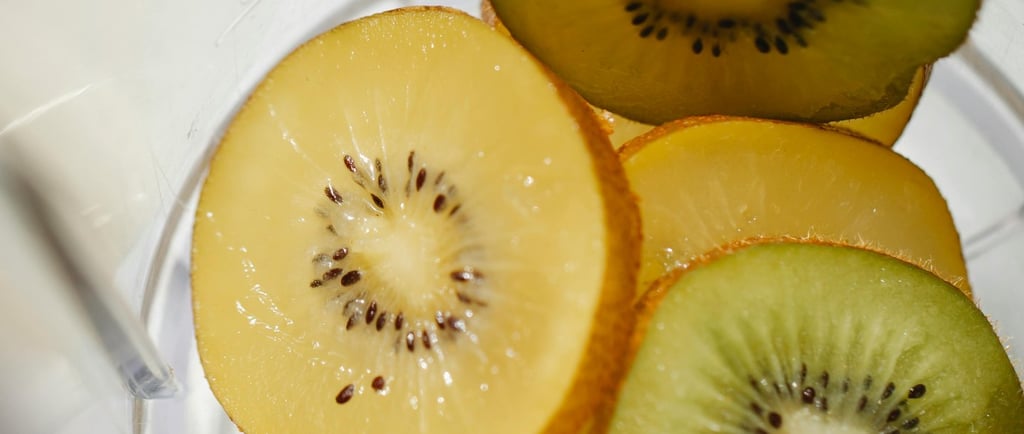
Fortunately, vitamin C is abundant in many fruits and vegetables you can find year-round. Citrus fruits like oranges, grapefruits, and lemons are classic choices. But don’t overlook other powerful sources like bell peppers, strawberries, kiwi, pineapple, and broccoli. Even tomatoes and Brussels sprouts offer a solid vitamin C boost.
These foods don’t need to be eaten in large amounts to be effective. Even a small serving of vitamin C-rich food alongside a meal containing iron can make a significant difference. Think of it as nutrient teamwork where combining the right ingredients amplifies their benefits.
Food Pairings That Help Fight Anemia Naturally
Strategic food pairing is one of the easiest ways to enhance your iron intake without taking supplements. If you’re eating beans, lentils, or whole grains, add something acidic or fresh like lemon juice, tomatoes, or raw bell peppers. A chickpea salad with lemon and parsley, or lentils topped with tomato salsa, are not only delicious but also nutritionally efficient.
Other smart combinations include oatmeal with strawberries, sautéed spinach with a splash of lemon, or a tofu stir-fry with broccoli and red peppers. Even simply adding citrus to your water during meals can help.
It’s best to keep the iron and vitamin C foods close together in the same meal or within the same timeframe to get the full absorption benefit.
What Can Block Iron Absorption?
While some foods and nutrients enhance iron uptake, others can interfere with it. Tannins found in coffee and tea, for example, can bind with iron and make it harder to absorb—especially non-heme iron. The same goes for calcium, which competes with iron for absorption pathways. That means taking calcium supplements or drinking milk with an iron-rich meal may actually reduce how much iron your body absorbs.
Other compounds like phytates in whole grains and some legumes can also bind to iron and limit its availability. This doesn’t mean you should avoid these foods altogether - they’re still healthy but rather, be mindful of the timing. Try to space out iron-rich meals and these inhibitors by at least an hour or more to reduce interaction.
Who Needs to Pay Extra Attention?
Certain groups are more vulnerable to iron deficiency and could benefit the most from understanding how vitamin C helps with iron absorption.
Women of childbearing age, for example, lose iron each month through menstruation. If you combine that with a plant-based diet or low meat intake, the risk for deficiency increases. Pregnant women need even more iron to support their growing baby, and athletes (especially endurance runners) also have higher requirements.
Vegans and vegetarians are particularly reliant on non-heme iron sources, making vitamin C-rich food pairings essential for meeting their daily iron needs.
If you fall into one of these categories, or if you’ve been diagnosed with low iron levels in the past, it's worth reviewing your meal patterns and making small adjustments that can have a big impact.
Final Thoughts: A Simple Strategy with Big Results
If you’ve been struggling with fatigue or suspect you’re not getting enough iron, don’t rush straight to supplements. Often, simple dietary tweaks can create powerful change. Vitamin C is one of the most effective natural tools to improve iron absorption, especially for people relying on plant-based iron sources.
By pairing your meals thoughtfully and being aware of what can interfere with absorption, you can support your body’s ability to produce healthy red blood cells and maintain steady energy throughout the day.
You don’t have to overhaul your entire diet - just learn to build smarter plates, where the nutrients work together. With a little planning, you can naturally increase your iron levels, support your overall health, and say goodbye to that stubborn mid-day slump.
Connect with us
Get in touch with us for questions or collaboration inquiries.
Contact
Editorial & general inquiries:
info@nodrae.com
NODRAE
An independent wellness publication exploring longevity, nutrition, and lifestyle factors that support long-term health.
Our content is research-informed and created for informational purposes only.
© 2026 nodrae.com. All rights reserved.