
7 Signs Your Microbiome Might Be Slowing Down Your Weight Loss
Think your gut has nothing to do with your weight? Think again. Discover 7 signs your microbiome may be blocking your weight loss and how to fix it naturally—from bloating and cravings to the role of digestive enzymes.
NUTRITION
1/24/20264 min read
Introduction
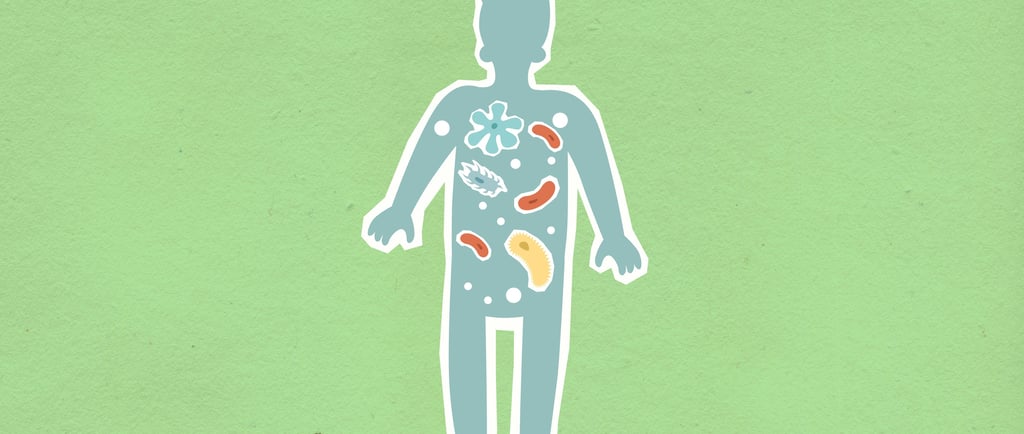
IIf you’ve been eating well, exercising consistently, and still not seeing the scale move—or worse, you're gaining weight—it might be time to look beyond calories and cardio. One of the most overlooked factors in weight management is your gut microbiome—the vast community of bacteria and microbes living in your digestive system.
While the microbiome has gained attention for its role in immunity and digestion, research increasingly shows its connection to metabolism, cravings, fat storage, and even how your body processes the food you eat. In other words, if your gut bacteria are out of balance, they could be quietly sabotaging your weight loss efforts.
Let’s explore seven subtle signs that your microbiome might be interfering with your goals—and what you can do about it.
The Microbiome-Metabolism Connection
Your gut is home to trillions of microbes that influence nearly every aspect of your health, including how your body breaks down food and stores energy. Some strains of bacteria are more efficient at extracting calories from food, while others produce compounds that affect inflammation and fat storage.
When your microbiome is diverse and balanced, it helps regulate hormones like insulin and leptin, keeps inflammation low, and supports efficient digestion. But when it’s disrupted—a condition called dysbiosis—it can lead to bloating, cravings, low energy, and metabolic sluggishness.
In short, even if you're doing everything "right," a dysfunctional gut can keep your body from burning fat effectively.
1. You’re Always Bloated or Gassy
Occasional bloating is normal, but if it’s happening frequently—especially after meals—it could signal a microbial imbalance. Certain bad bacteria produce excess gas during digestion, which leads to that uncomfortable, distended feeling. This sluggish digestion not only makes you feel heavier but can also impair nutrient absorption and fat metabolism over time.
2. You Crave Sugar Constantly
Your cravings might not be about willpower—they could be coming from your gut. Some strains of bacteria thrive on sugar and actually send signals to your brain to eat more of it. This feedback loop can make it nearly impossible to reduce your sugar intake, keeping you in a cycle of energy crashes and stalled weight loss.
3. Digestion Feels Sluggish
If meals seem to sit in your stomach for hours or you feel heavy and tired after eating, your digestive system might be struggling to break down food. A sluggish gut not only slows metabolism but also creates an environment where unfriendly microbes can take over. Poor digestion can also reduce the nutrients available for energy and fat burning.
4. You’re Stuck at a Plateau Despite Eating Clean
You’re watching your portions, logging workouts, and still stuck at the same weight. This frustrating scenario is common when the microbiome is off. Your gut bacteria help regulate fat storage signals and inflammation—so if they're unbalanced, you might continue to gain or hold onto weight even when doing all the right things.
5. You Feel Foggy or Fatigued After Eating
That afternoon slump or foggy head might not be due to carbs or calories—it could be your gut. When the microbiome is disrupted, it can produce compounds that increase inflammation and affect your brain chemistry. This gut-brain link can impact mood, energy, and your body’s motivation to move and burn calories efficiently.
6. Your Bowel Habits Are Off
Whether you’re experiencing constipation, diarrhea, or erratic bathroom habits, your gut bacteria may be out of sync. A healthy microbiome helps regulate regularity and ensures toxins and waste are eliminated efficiently. When that process is compromised, your entire metabolism can slow down.
7. You’re Becoming More Sensitive to Foods
Suddenly reacting to foods you’ve always eaten? It could be due to a leaky gut—a condition often linked to an imbalanced microbiome. When the lining of your intestines becomes more permeable, larger food particles enter the bloodstream, triggering immune responses and food intolerances. This constant inflammation can make weight loss more difficult.
How Digestive Enzymes Support Gut Balance and Weight Loss
One often-overlooked tool for supporting digestion and a healthy microbiome is digestive enzymes. These natural compounds help break down fats, proteins, and carbohydrates in the food you eat. When digestion is more efficient, there’s less strain on your gut—and less undigested food for bad bacteria to feed on.
Enzyme supplementation may support faster nutrient absorption, reduce bloating, and promote a healthier microbial environment—particularly in people with sluggish digestion or nutrient deficiencies.
Supporting Your Microbiome for Sustainable Weight Loss
The good news? You don’t need a complete diet overhaul to start improving your gut health. Simple shifts can have a big impact:
Focus on a diverse, plant-rich diet full of fiber, prebiotics (like garlic, onions, and leeks), and fermented foods like yogurt, kefir, sauerkraut, and kimchi. These all help feed the good bacteria in your gut.
Avoid unnecessary antibiotics and minimize processed foods that disrupt microbial diversity. Managing stress and getting quality sleep are also crucial—your gut and nervous system are in constant communication.
If symptoms persist or you’ve been dealing with digestive issues for a long time, consider working with a health practitioner who can test for imbalances and tailor a gut-healing protocol.
Final Thoughts
Weight loss isn’t always about eating less or exercising more. Sometimes, it’s about listening to the messages your body is sending—especially from your gut.
Your microbiome plays a massive role in determining how your body processes food, stores fat, and manages hunger. If you’ve been struggling with unexplained plateaus or frustrating symptoms, it may be time to look inward—literally.
By paying attention to the signs of an imbalanced microbiome and supporting it with targeted strategies like food pairing, lifestyle changes, and possibly digestive enzymes, you can finally start moving the needle—not just on the scale, but in your energy and overall health.
Connect with us
Get in touch with us for questions or collaboration inquiries.
Contact
Editorial & general inquiries:
info@nodrae.com
NODRAE
An independent wellness publication exploring longevity, nutrition, and lifestyle factors that support long-term health.
Our content is research-informed and created for informational purposes only.
© 2026 nodrae.com. All rights reserved.